Founders who run real software businesses seem to have different views about their moats than funders who want to invest big checks.
Will there be any moats left in a few years to make my software business defensible and durable — and valuable?
I know you are asking this question. It’s an important one.
Here’s a perspective on moats from a former software operator who is now a practical funder.
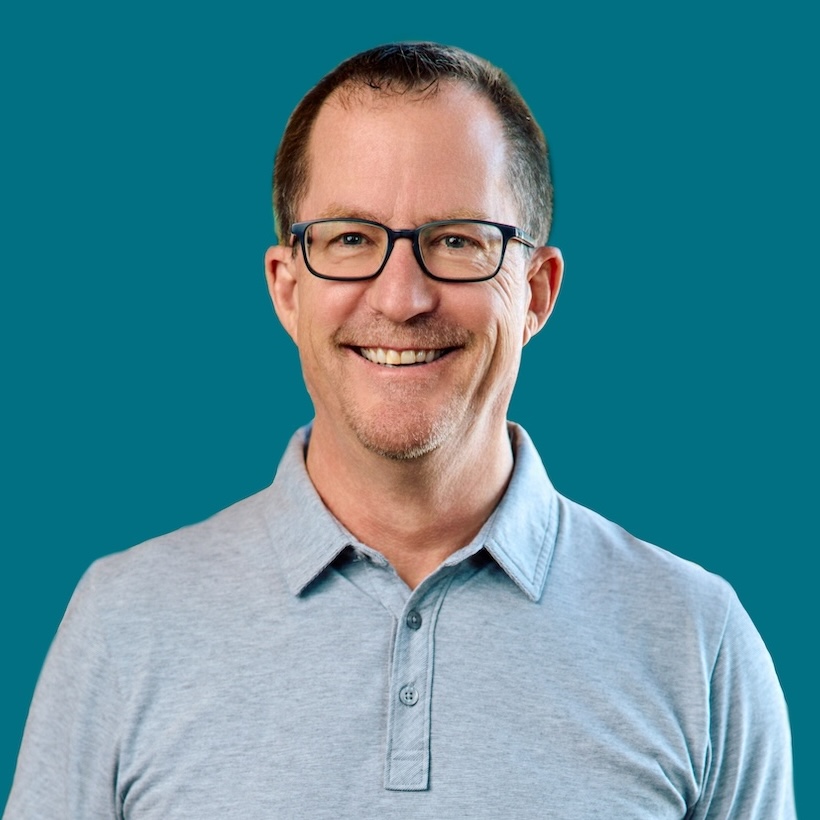
Cliff Sentell co-founded Compass Professional Health Services in Dallas in 2005, where he and two co-founders each put in $20,000 and bought a single server.
They started in healthcare price transparency, reverse-engineering the costs of specific procedures on specific plans from billions of insurance claims.
They focused on big employers who were footing the bill for their workers’ poor healthcare decisions and wrapped the data into a tech-enabled service: an app, “health pros,” and a custom CRM.
Compass reached about $1 million in revenue in three to four years, grew from $3 million to $10 million fast, and scaled to roughly $30–40 million with 200 employees and Fortune 100 clients, T-Mobile its largest.
They turned down growth equity investors to keep control and equity, funding growth off their own balance sheet.
In 2018, Alight acquired Compass — mostly in cash, with a multi-year earnout — and revenue tripled within Alight over three years.
Today Cliff is a partner at Cypress Growth Capital, where he invests non-dilutive capital to help bootstrapped SaaS founders scale smarter and faster.
He was a bootstrapped founder and scaled operator. Now he’s an active, practical funder.
He gets bootstrapping and scaling software companies —and how times are changing.
Cliff’s practical investment thesis this year is simple: in the AI era, industry domain knowledge is the moat, not features.
“The biggest thing that’s changed now with AI in SaaS is differentiation. If you’re really good at something, if you have domain expertise that other people can’t do, and you add AI to that, your moat of better knowledge and capabilities gets wider.
“That’s fundamentally our investment thesis right now at Cypress. Can we find companies that are really good at a very specific domain capability, that have proprietary data, that create the system of action their customers use — feeding that information back into the knowledge set and building the moat wider and wider?
“This is a moment where knowledge and expertise are at a premium. Not software, not how much you’ve built. But how much do you know? That’s what you’re capable of achieving.”
Unique value created, not the recurring-revenue label or precious code, now decides whether a company scales.
Check out this amazing interview with Cliff Sentell on the Practical Founders Podcast.