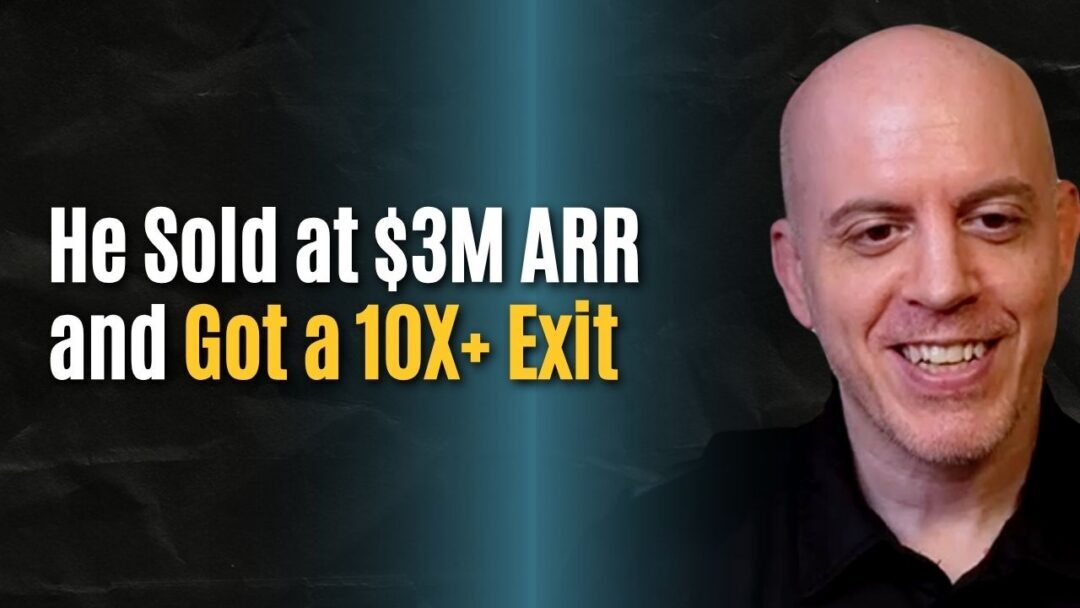
Steve Oriola isn’t the founder of Unbounce — he’s the CEO that Crest Rock Partners brought in to run and transform it. A sales-and-marketing software veteran who spent a decade at Constant Contact, and even ran Act! for a spell (ACT! is the product and company I helped grow and run myself 10 years earlier!). Steve joined Unbounce in January 2024 and acquired the Insightly CRM six months later, merging the two into one company and one culture.
Today Unbounce is a roughly 200-person business combining a landing-page and conversion-rate-optimization marketing platform with a sales-focused CRM and integrated project management. Owned by private equity (Crest Rock Partners) with the founders still on the board, the company had to get smaller to find its focus — scoping down to its core value before rebuilding around agentic AI.
Oriola is now steering a full transformation toward “service as software,” which includes professional services and forward-deployed engineering that surface repeatable IP, then harden into managed services with governance for agents. His real edge is comfort on both sides of the table, translating between investors who “operate in Excel” and the humans who actually run the business.
Key Takeaways
- Manage Up: Investors own the company but depend on you — understand their perspective and manage them.
- Narrow Focus: Scoping down isn’t more work; it’s how you rediscover your core value and focus.
- Throw Out the Playbook: The old “fix go-to-market and sell in three years” thesis no longer fits a changed world.
- Just Write It: With code cost collapsing to tokens, engineering can finally fail fast and recover quickly.
- Service as Software: Clients want managed agentic solutions with governance, not just self-serve SaaS tools.
Quote from Steve Oriola, CEO of Unbounce
“The trickiest part of being a CEO is which side of the table you’re on. Are you on the side of the employees who work for you, with your investors and your board on the other side? Or are you on the investor side, looking at the company and making the rational decisions that are best for them?
“If you’re a founder, you’re on the team side of the table. But you’ve got to understand the perspective of the investors, because to some degree you’re managing them. They’re not running your business, and they’re very dependent on you.
“Really, it’s empathy. You have to understand what they’re dealing with, because they can make bottom-line decisions that don’t feel very human. They’re operating in Excel, and you’re dealing with humans. So you’re the mediator between humanity and cold-hearted business.”
Links
Podcast Sponsor – DevHawk